How Long Do Lash Extensions Last? A Pro Artist Reveals The Truth
- Alex Yu
- Dec 28, 2025
- 8 min read


Wondering how long do lash extensions last before you commit to getting them? The truth is, professionally applied lash extensions typically enhance your natural lashes for 4-6 weeks on average. However, some can last up to eight weeks depending on care and application quality.
When considering how long should eyelash extensions last, it's important to understand that your natural lashes constantly shed. In fact, it takes approximately 90 days for all of your natural lashes to fall out and grow back. During this process, you'll notice daily shedding of 1-5 individual lashes as part of the normal growth cycle. This means your extensions won't all fall out simultaneously—instead, gaps may start appearing a few weeks after application.
In this comprehensive guide, we'll reveal the factors affecting lash extension longevity, share professional tips to maximize their lifespan, and explain when it's time for a touch-up. If you're looking to maintain that full, fluttery look, you'll need to schedule fills every two to three weeks rather than waiting for a complete new set.
How long do lash extensions last?
Let's dive deeper into understanding the true lifespan of your lash extensions. While the introduction touched on general timelines, there's much more to uncover about how and why your extensions shed.
Average lifespan: 4 to 6 weeks
Professional lash extensions typically last between 4 to 6 weeks from initial application. Nevertheless, this doesn't mean your lashes will remain perfectly full throughout this period. By week 3, you'll likely have lost about 50-60% of your extensions.
The natural variation comes from several factors. Classic lash extensions may last slightly longer (4-6 weeks) compared to volume lashes (3-5 weeks). Additionally, your unique lash cycle, lifestyle habits, and aftercare routine significantly impact how long your extensions remain attached.
Why lash shedding is normal?
On average, people naturally shed approximately 5 lashes per day from each eye. Over a week, this adds up to about 35 lashes—roughly 20% of a full set.
Contrary to what many believe, this shedding isn't caused by the extensions themselves. Your natural lashes constantly cycle through growth, transition, and shedding phases over a 6-10 week period. Each lash follows its own timeline, which explains why you don't lose all your extensions simultaneously.
Furthermore, seasonal changes can accelerate this process. Many experience increased shedding during spring and autumn due to temperature fluctuations, hormonal shifts, and environmental changes[53]. This seasonal shedding typically lasts 1-2 months but eventually normalizes.
How long should eyelash extensions last with proper care?
With ideal care, extensions can last their full potential—the entire natural lash cycle. Yet, most clients opt for fills every 2-3 weeks to maintain fullness.
Signs that indicate normal shedding include:
Losing 2-5 extensions per day across both eyes
Extensions falling with a natural lash attached at the base
Gradual thinning rather than sudden loss
Conversely, extensions sliding off without a natural lash attached suggests adhesion problems or improper aftercare. To maximize longevity, follow aftercare instructions diligently and schedule regular touch-ups every 2-3 weeks (closer to 2 during peak shedding seasons)[54].
What shortens the life of lash extensions?
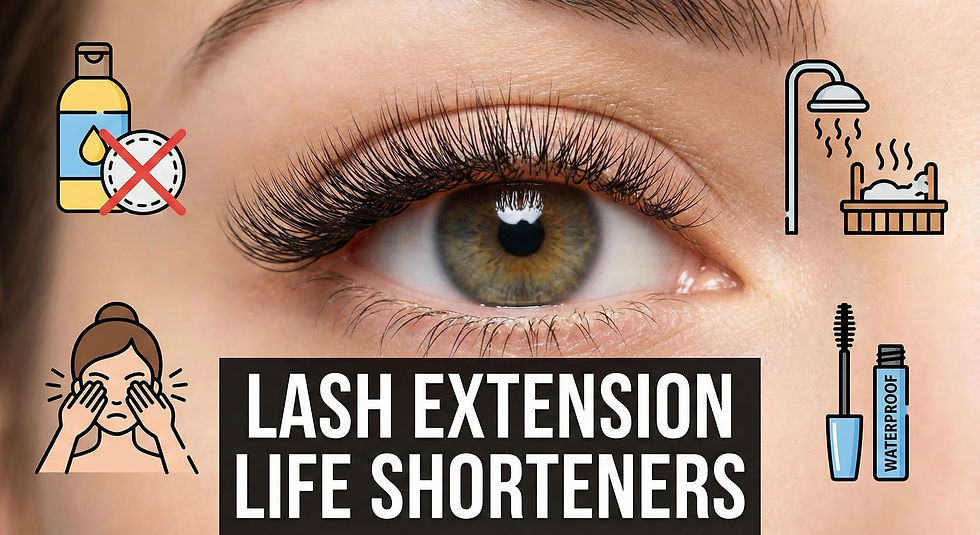
Even with professional application, certain habits can drastically shorten your lash extensions' lifespan. Understanding these common pitfalls helps maintain that gorgeous lash look for weeks rather than days.
Touching or rubbing your eyes
Your hands naturally transfer oils to your lashes, gradually weakening the adhesive bond. Moreover, rubbing your eyes creates friction that causes extensions to become loose, damaged, or fall out prematurely. This constant friction doesn't just affect your extensions—it can potentially pull out your natural lashes, creating gaps in your lash line. Subsequently, your lash artist cannot apply new extensions where natural lashes are missing.
Excessive rubbing may cause trauma to the hair follicle, occasionally preventing natural lashes from growing back. For those with allergies or irritation, gentle tapping rather than rubbing provides relief without damaging your investment.
Using waterproof or oil-based products
Oil is essentially the nemesis of lash extensions. Specifically, oils attack and dissolve the adhesive bond, causing dramatic shedding with just one application. You might wake up after using oil-based skincare products to find several extensions on your pillow.
Besides avoiding obvious culprits like oil-based makeup removers and cleansers, be cautious about:
Waterproof mascara and makeup (requires excessive rubbing to remove)
Oil-containing skincare products near the eyes
Glycols in cosmetics (including propylene glycol, butylene glycol)
Mineral oil, coconut oil, vegetable oil, and canola oil (particularly effective at breaking down adhesives)
Sleeping on your face or rough pillowcases
Stomach sleeping creates the perfect storm for lash damage—flattening, crushing, and twisting extensions simultaneously. Side sleeping causes similar issues, often resulting in excessive fallout on just one eye.
Cotton pillowcases create friction that gradually weakens adhesive bonds. Silk pillowcases offer approximately 43% less friction compared to cotton, making them ideal for extending lash life. They allow extensions to glide smoothly across the fabric surface rather than catching and tangling.
Back sleeping remains the gold standard position, as it prevents any contact between your lashes and the pillow. Although training yourself to sleep differently can be challenging, simply switching to silk or satin pillowcases can significantly extend your lash extensions' lifespan.
How to make lash extensions last longer
Proper aftercare is the secret to maximizing the lifespan of your lash extensions. By following these professional tips, you'll keep your lashes looking full and fabulous longer.
Avoid water for the first 48 hours
The first 24-48 hours after application are crucial as the adhesive needs time to fully cure. During this period, avoid swimming, steamy showers, saunas, and excessive sweating. Even washing your hair can be risky – if you must, use lukewarm water and keep it away from your eyes. This initial dry period allows the bond to strengthen, resulting in better retention.
Use oil-free cleansers and makeup removers
Oil is the arch-enemy of lash adhesive. It breaks down the bond between your natural lash and the extension. First and foremost, switch to oil-free makeup removers and cleansers specifically formulated for lash extensions. Many brands offer lash-safe alternatives like Clinique Rinse-Off Eye Makeup Solvent or Simple Kind to Eyes Eye Makeup Remover. Clean your lashes daily to remove dirt, oils, and makeup residue that can weaken adhesive over time.
Brush your lashes daily with a spoolie
Gently brush through your extensions each morning with a clean spoolie brush. This prevents tangling, separates lashes, and maintains that perfect fluffy look. Brush from the middle of the extension outward to avoid accidentally pulling them out.
Sleep on your back with a silk pillowcase
Sleeping position dramatically impacts lash retention. Back sleeping prevents any contact between your extensions and pillow. If that's impossible, invest in a silk pillowcase – they reduce friction by up to 43% compared to cotton. The smooth surface allows lashes to glide rather than catch, preventing premature shedding.
Avoid mascara and lash curlers
Extensions are designed to replace mascara, not complement it. Waterproof mascara is especially harmful as it requires oil-based removers and vigorous rubbing to remove. If you must use mascara, apply a water-based formula only to the tips, never the base. Likewise, never use eyelash curlers on extensions as they can permanently damage both the extensions and your natural lashes.
Schedule regular fills every 2–3 weeks
For consistently full lashes, schedule maintenance fills every 2-3 weeks. By week 3, you'll have lost approximately 50% of your extensions due to natural shedding. Regular appointments ensure gaps are filled before they become noticeable.
When to get a refill or removal?

Knowing exactly when to schedule your next lash appointment is crucial for maintaining that perfect look. Understanding the right timing can save you both money and lash health in the long run.
Signs your lashes need a touch-up
Your lashes themselves will give you clear signals it's time for a fill. First, check for noticeable gaps or sparse areas where extensions have shed. Once you've lost about 40-50% of your extensions, the difference in fullness becomes obvious. Additionally, watch for extensions that twist, droop, or point in odd directions. Generally, outer corners tend to thin first due to sleeping patterns. Most professionals recommend scheduling fills every 2-3 weeks.
What happens if you wait too long
Waiting beyond 3-4 weeks can be counterproductive. At this point, your retention likely hovers just above the critical 40% threshold. Consequently, your technician may recommend a full set rather than a refill. This means a longer appointment and higher cost. Furthermore, extensions grown too far from the lash line put strain on your natural lashes.
How to safely remove lash extensions
Despite temptation, never attempt to remove extensions yourself. DIY removal often leads to damaged natural lashes, potential infections, or even eye injuries. Indeed, professional removal uses specialized products formulated to safely break down the adhesive bond. The process typically takes 30-60 minutes and should be completely comfortable. Afterward, consider using a nourishing lash serum to strengthen your natural lashes.
Conclusion
Lash extensions offer a beautiful way to enhance your natural beauty, though their lifespan depends significantly on proper care and maintenance. Undoubtedly, understanding the natural 90-day cycle of your lashes helps set realistic expectations about extension longevity. Most extensions last 4-6 weeks, but daily shedding of 1-5 lashes remains completely normal during this period.
Your daily habits play a crucial role in how long your extensions stay fluttery and full. Touching your eyes, using oil-based products, or sleeping on your face drastically reduces their lifespan. Conversely, following proper aftercare makes all the difference – avoiding water for the first 48 hours, using oil-free products, and brushing lashes daily with a spoolie helps maintain their beauty.
Sleep position matters more than many realize. Back sleeping prevents contact between extensions and pillows, while silk pillowcases reduce friction for those who toss and turn. Additionally, skipping mascara and curlers prevents unnecessary stress on your lash line.
Regular maintenance fills every 2-3 weeks keep your lashes looking consistently full. Waiting too long not only creates noticeable gaps but might actually cost more if your technician recommends starting fresh with a full set. Above all, remember that professional application and removal protect both your extensions and natural lashes from damage.
Lash extensions require commitment, but the stunning results make them worth the effort. With proper care and regular maintenance, you'll enjoy those enviable, eye-enhancing lashes that make mascara optional and mornings easier. The perfect flutter awaits those willing to invest the time and care these beauty enhancements deserve.
Key Takeaways
Professional lash extensions typically last 4-6 weeks, but proper care and maintenance are essential for maximizing their lifespan and maintaining that coveted full, fluttery look.
• Lash extensions last 4-6 weeks on average, with natural daily shedding of 1-5 lashes being completely normal due to your natural lash growth cycle.
• Avoid oil-based products and touching your eyes as oils dissolve the adhesive bond and friction causes premature shedding and damage.
• Sleep on your back with silk pillowcases to prevent crushing extensions and reduce friction by up to 43% compared to cotton.
• Schedule fills every 2-3 weeks to maintain fullness, as waiting longer may require a complete new set instead of a touch-up.
• Follow the 48-hour water rule after application and use oil-free cleansers while brushing daily with a spoolie for optimal retention.
The key to long-lasting lash extensions lies in understanding that they're an investment requiring consistent aftercare. With proper maintenance, you can enjoy weeks of effortless beauty while protecting your natural lashes from damage.
FAQs
Q1. How long do lash extensions typically last before needing a refill? Lash extensions generally last 4-6 weeks, but most clients opt for refills every 2-3 weeks to maintain fullness. By week 3, you may have lost about 50% of your extensions due to natural lash shedding.
Q2. What are some common factors that can shorten the lifespan of lash extensions? Touching or rubbing your eyes, using oil-based products, and sleeping on your face can significantly reduce the longevity of lash extensions. These habits can weaken the adhesive bond and cause premature shedding.
Q3. How can I make my lash extensions last longer? To extend the life of your lash extensions, avoid water for the first 48 hours after application, use oil-free cleansers and makeup removers, brush your lashes daily with a clean spoolie, and sleep on your back with a silk pillowcase.
Q4. Are lash extensions damaging to natural lashes? When applied and maintained properly, lash extensions should not damage your natural lashes. However, improper application, excessive rubbing, or attempting to remove extensions yourself can potentially harm your natural lashes.
Q5. How much should I tip for a lash extension service? A typical tip for lash extension services is 15-20% of the total cost. For a $100 service, a tip between $15-$20 would be appropriate. If you're particularly pleased with the results, you may consider tipping more.


Comments